
How Greener and Smarter Cities Are Making Daily Life Better Through Practical Innovations
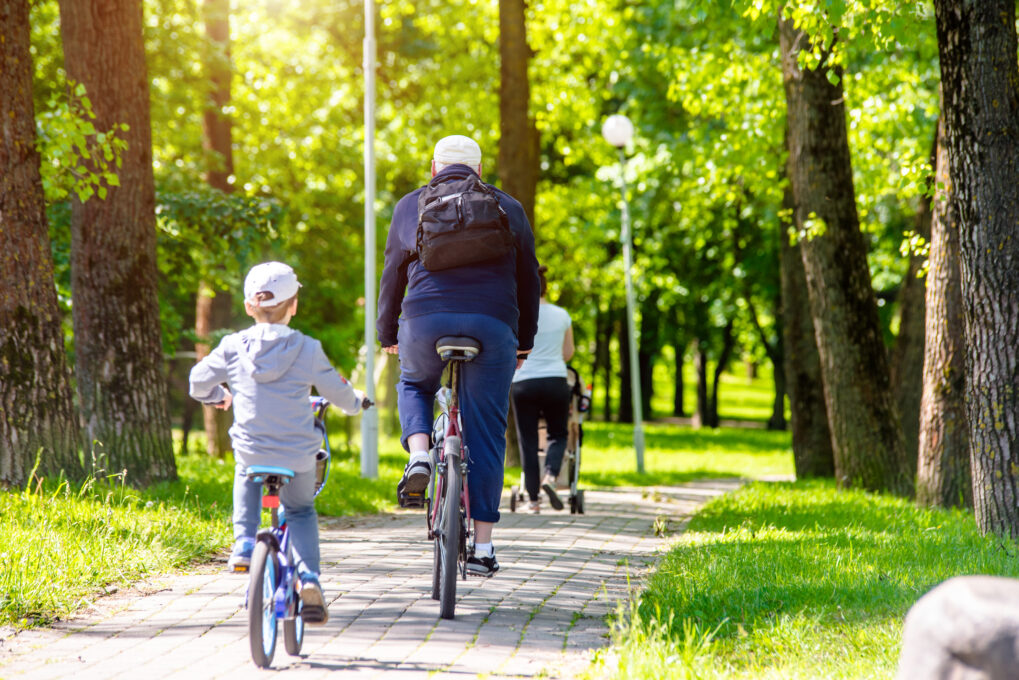
Cities are where environmental challenges and everyday life intersect most visibly. More than half of the world’s population now lives in urban areas, and that proportion continues to grow. Congestion, air quality, access to green spaces, energy consumption, and climate resilience are no longer abstract environmental topics, they are part of people’s daily routines.
In recent years, however, a quieter but significant shift has been taking place. Around the world, cities are becoming greener and smarter, not through futuristic megaprojects, but through practical, incremental innovations that directly improve quality of life. These changes are increasingly supported by international organizations, urban research institutions, and public-private collaboration.
This article explores how greener and smarter cities improve daily life, what “urban innovation” really means in practice, and why this transition offers reasons for cautious optimism.
Greener and Smarter Cities: What Do We Mean by Urban Innovation?
When international organizations such as UN-Habitat and the World Economic Forum (WEF) refer to “greener and smarter cities,” they are not describing a single model or technology. Instead, they describe an integrated approach to urban development that combines:
- Environmental sustainability
- Digital tools and data
- Human-centered urban design
- Long-term resilience
According to UN-Habitat, smart cities are not defined by technology alone, but by how innovation is used to deliver better services, reduce environmental pressures, and improve inclusivity and well-being.
Importantly, this definition places daily life at the center of urban innovation, rather than infrastructure for its own sake.
Greener and Smarter Cities and the Quality of Everyday Urban Life
One of the strongest arguments for greener and smarter cities is their direct impact on everyday experiences. International urban research consistently highlights several areas where innovation makes a tangible difference:
Urban green spaces
Cities that invest in parks, green corridors, and nature-based solutions see improvements in thermal comfort, air quality, and mental well-being.
Mobility and accessibility
Smarter traffic management, improved public transport systems, and safer walking and cycling infrastructure reduce congestion and improve air quality while making cities easier to navigate on a daily basis.
Energy and buildings
Energy-efficient buildings, district heating and cooling systems, and better urban planning reduce energy demand while improving indoor comfort, benefits felt daily by residents and workers alike.
These improvements are not experimental. They are already being implemented incrementally across cities on every continent.
How Greener and Smarter Cities Use Technology as an Enabler, Not a Goal
A common misconception is that smart cities are primarily about sensors, data platforms, or automation. In reality, international frameworks emphasize that technology is a means, not an end.
The World Economic Forum, in its work on urban transformation, stresses that digital tools are most effective when they support environmental goals such as resource efficiency, climate adaptation, and better urban services.
Examples include:
- Data-driven energy management to reduce consumption
- Smart lighting that lowers energy use while improving safety
- Digital platforms that help cities plan green infrastructure more effectively
What matters most is not the sophistication of the technology, but its contribution to environmental performance and daily usability.
Greener and Smarter Cities as a Climate and Resilience Strategy
Urban innovation is also closely linked to climate resilience. Cities are increasingly exposed to heatwaves, flooding, and extreme weather events, making adaptation a daily concern rather than a future scenario.
UN-Habitat and the UN Environment Programme (UNEP) highlight that greener cities, those that integrate vegetation, permeable surfaces, and ecosystem-based solutions, are better equipped to cope with climate impacts.
These measures:
- Reduce urban heat stress
- Improve stormwater management
- Increase resilience without relying solely on hard infrastructure
Again, the benefits are immediate and tangible for urban populations.
Why Greener and Smarter Cities Represent a Reason for Optimism
Environmental communication often focuses on risks and deficits. While these challenges are real, the evolution of greener and smarter cities shows that progress is not only possible but already underway.
From an international perspective, several factors support cautious optimism:
- Solutions are scalable and adaptable across regions
- Many innovations are incremental and cost-effective
- Cities are sharing knowledge through global networks
- Environmental improvements increasingly align with economic and social goals
Greener and smarter cities are not a distant vision. They are emerging today through practical decisions, smarter planning, and environmental innovation that prioritizes daily life.
By focusing on human needs, environmental performance, and resilience, cities are demonstrating that sustainability and livability can advance together. For professionals, organizations, and communities alike, this shift offers a powerful reminder: environmental progress does not always arrive through dramatic breakthroughs, but through steady, intelligent improvements that people experience every day.
Sources: UN-Habitat – People-Centered Smart Cities and Sustainable Urban Development, World Economic Forum (WEF) – Future of Cities and Urban Development, World Health Organization (WHO) – Urban green spaces and public health.