Can Water Innovation Protect Freshwater Resources? Practical Solutions Making a Real Impact
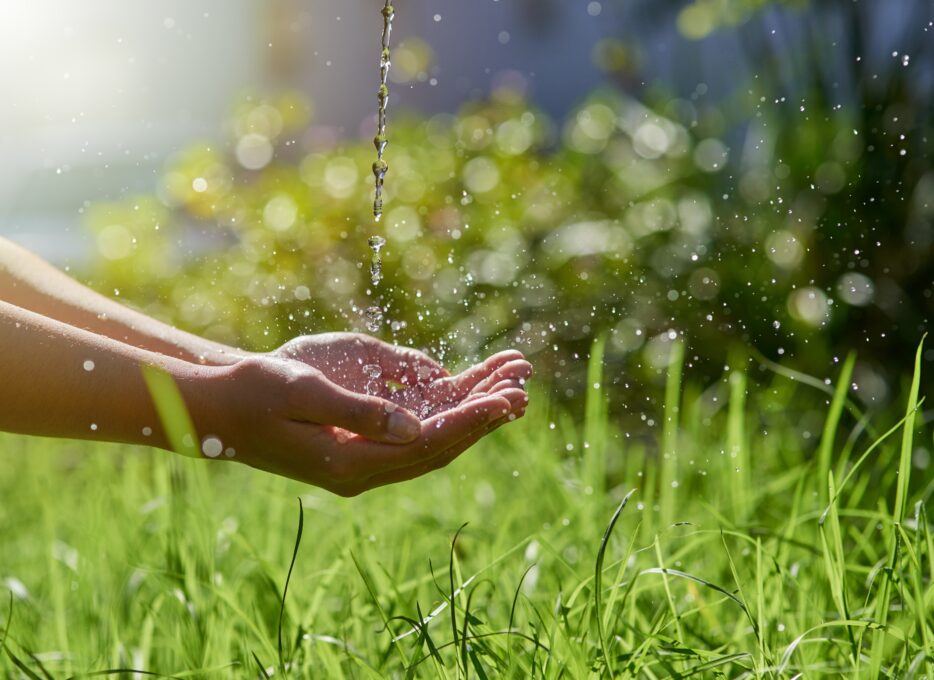
Every day, we drink, cook, and wash without a second thought about water, but what if the taps ran dry tomorrow? Water is one of the few resources that touches almost every aspect of our lives, from homes and offices to farms and factories. The good news: innovative solutions are quietly making a difference worldwide.
According to the State of Global Water Resources Report 2024, pressure on freshwater is rising due to population growth, urbanization, climate variability, and changing consumption patterns (WMO / UN‑Water, 2025). Yet, practical innovations in management, efficiency, and planning are helping protect this essential resource.
Why Smarter Water Management Matters Now More Than Ever
The SDG 6 Synthesis Report 2026 highlights that water challenges aren’t just about scarcity, how water is managed is just as critical. Losses, inefficiencies, and poor coordination often strain freshwater systems more than absolute shortages.
Practical innovations in this area focus on:
- Using existing water resources more efficiently
- Leveraging data and monitoring for smarter decision-making
- Coordinating planning across urban, agricultural, and industrial sectors
These strategies shift the focus from emergency responses to long-term solutions that prevent crises before they happen.
Urban Water Innovation: Real Impact in Cities
Cities face growing challenges as populations expand. Modernizing urban water systems can improve service reliability and resource efficiency. According to the World Water Development Report 2025, cities implementing smart leak detection and optimized distribution have seen up to 20% reductions in water loss.
Benefits of urban water innovation include:
- More reliable water supply for households and businesses
- Fewer disruptions and system losses
- Lower energy use for treatment and pumping
Importantly, many gains come from better management and maintenance, rather than costly new infrastructure.
Sustainable Agriculture: Producing More with Less Water
Agriculture is the largest global user of freshwater. The Progress on Change in Water‑Use Efficiency – 2024 Update shows that precision irrigation, improved scheduling, and aligning water use with crop needs can significantly reduce pressure on rivers and aquifers).
For example:
- In California, better water accounting allows farmers to plan for droughts without sacrificing crops.
This example demonstrates that efficiency and sustainability can go hand in hand, providing realistic pathways to conserve water while supporting food security.
Digital Tools and Data: Making Water Smarter
Digitalization is increasingly supporting water management. World Water Development Report 2025 notes that data and analytics are most effective when paired with strong institutions and clear goals.
Key benefits of digital tools include:
- Detecting leaks early
- Planning maintenance more efficiently
- Optimizing water allocation during droughts
These improvements may be invisible to end users, but they lead to fewer disruptions and stronger protection of water sources.
Climate Resilience: Preparing for Uncertainty
Climate variability is intensifying pressure on water systems. Both UN-Water and the World Bank emphasize that innovation is critical for adapting to changing conditions. Strategies include:
- Diversifying water sources
- Enhancing storage and reuse
- Planning for extreme weather events
Proactive water management reduces vulnerability for cities, communities, and economies, moving from reactive crisis response to anticipation and resilience.
Why Water Innovation Gives Reason for Optimism
Although discussions around water often focus on risks and shortages, evidence points to steady progress. Many practical solutions are already in use worldwide, improvements can be incremental and affordable, and efficiency gains benefit both the environment and the economy.
Protecting water resources doesn’t depend solely on new supply, it also depends on using what we have more wisely. Through smart management, improved efficiency, and thoughtful innovation, water systems around the world are becoming more resilient, reliable, and capable of supporting everyday life.
Even if these successes aren’t always in the headlines, they quietly safeguard one of our most essential resources. Water innovation offers a realistic, grounded form of optimism, built on practical solutions that are already making a measurable difference.
Sources: UN‑Water
Might be interested in