New EU Rules on Unsold Clothing: What They Mean for Sustainability
What the EU Rules on Unsold Clothing Actually Do
In February 2026, the European Union adopted new measures under the Ecodesign for Sustainable Products Regulation (ESPR) designed to reduce environmental harm by preventing the destruction of unsold clothes, accessories and footwear before they are ever worn.
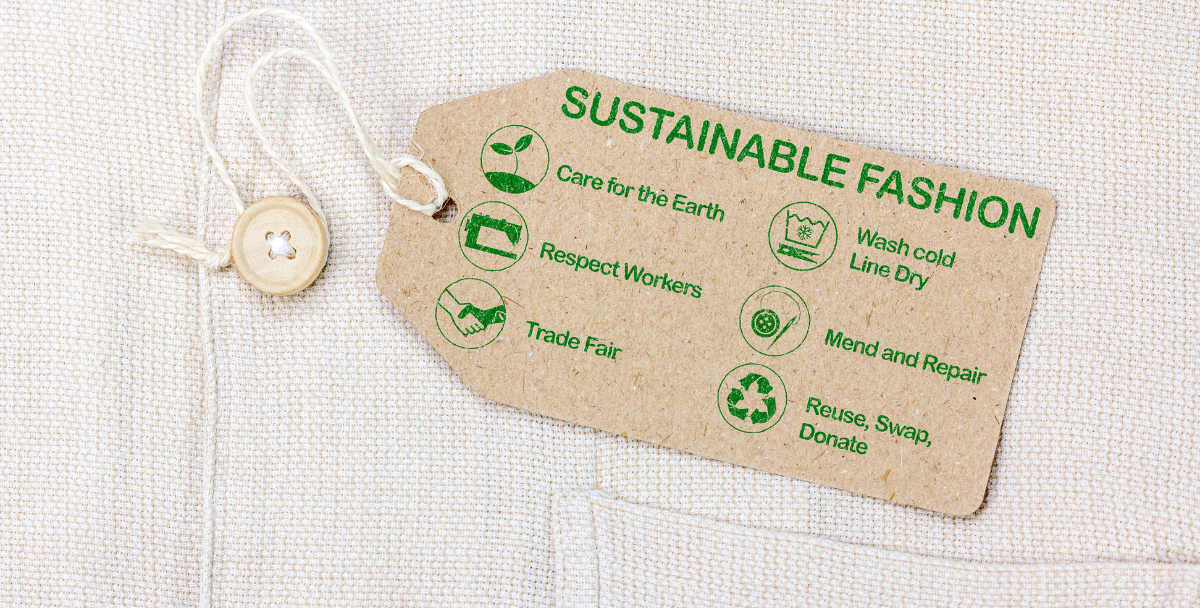
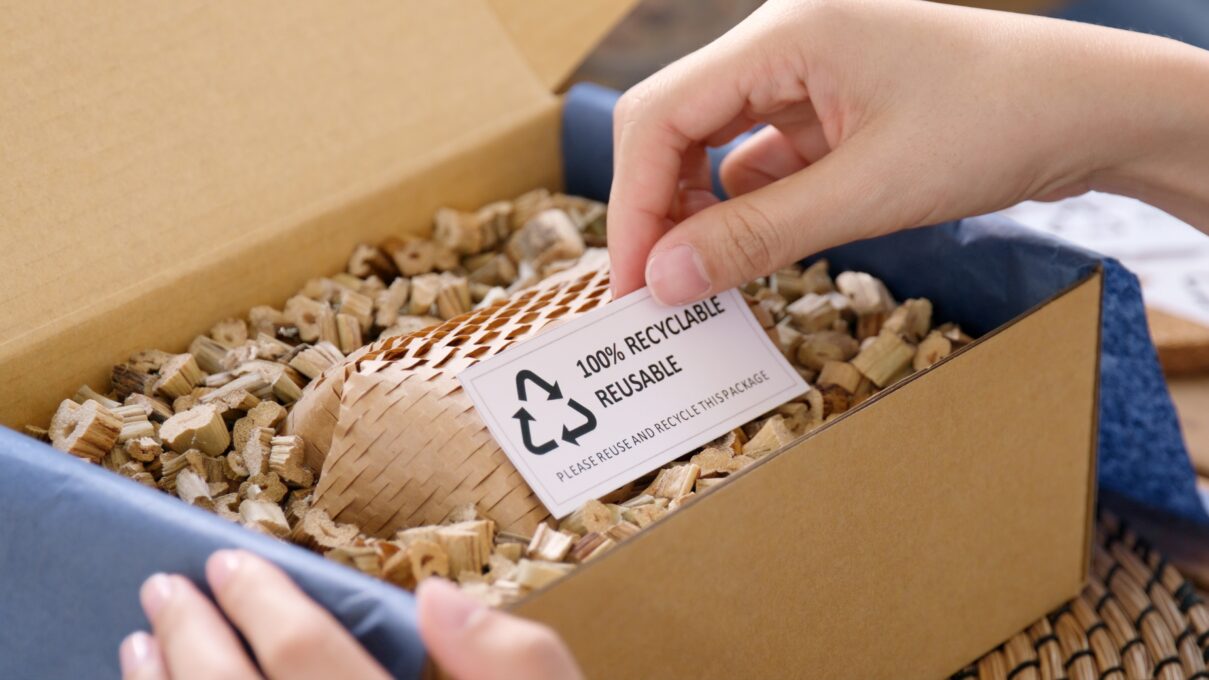
This policy update means that rather than routinely discarding excess textiles, companies are encouraged to handle unsold items in ways that support reuse, resale, remanufacturing, donations and recycling, contributing to a more sustainable and circular economy.
Why These EU Rules on Sustainability Matter for Everyone
Textiles , particularly clothing and footwear , are a major part of the waste problem in Europe. Best available evidence suggests that roughly 4–9% of all textiles put on the market are destroyed without ever being used, generating millions of tonnes of carbon dioxide emissions.
By introducing these rules, the EU aims to reduce unnecessary waste and the environmental footprint of products, helping to protect natural resources and combat climate change.
How the New Rules Work in Practice
The measures include two main elements that apply over the next few years:
• A ban on destruction of unsold clothing: Large companies will no longer be permitted to destroy unsold clothes, accessories and footwear from 19 July 2026, and medium-sized companies are expected to follow by 2030.
• Standardised reporting requirements: From February 2027, organisations will need to disclose the volume of unsold goods they discard and how they handle them, using a standard EU format.
While limited exceptions exist (such as cases where products are unsafe or damaged), the overall direction is clear: discarding perfectly reusable items will no longer be routine practice.
What This Means for Our Everyday Lives
Even if you’re not involved in manufacturing or retail, the new EU rules on sustainability and unsold clothing can influence how products are made and used:
• You may notice more emphasis on durable, longer-lasting clothes and transparent product information.
• There could be increased opportunities for resale, repair and reuse in local communities.
• Public awareness of textile waste and its environmental impact is likely to grow, leading to more informed consumer choices.
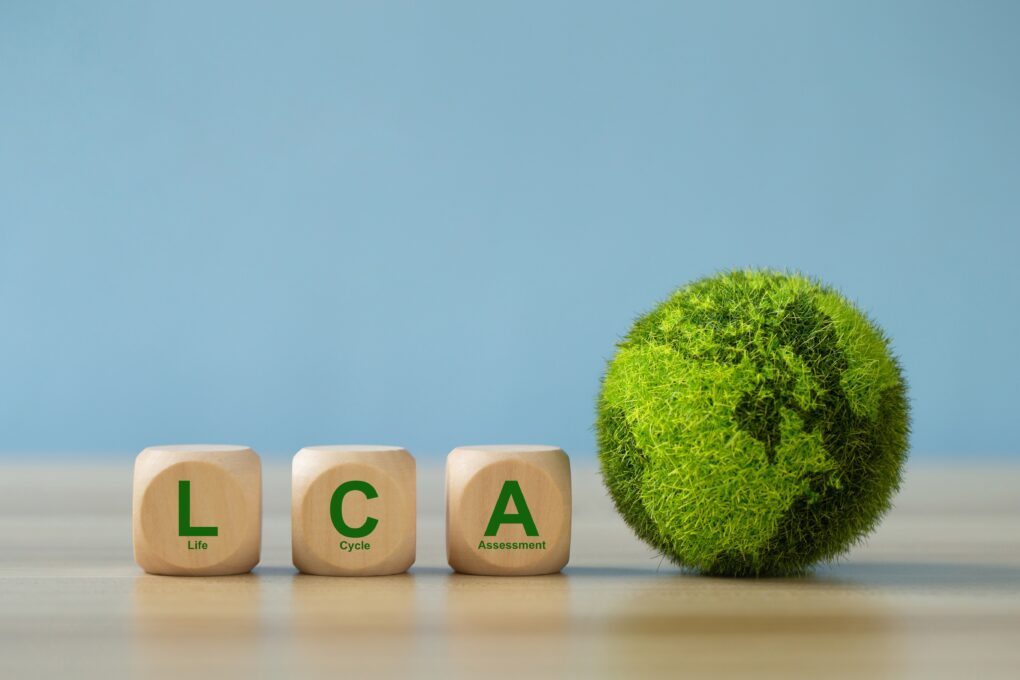
Ultimately, these changes align with broader EU sustainability goals, promoting products that are more durable, repairable and easier to recycle throughout their life cycle.
A Step Forward for a Greener Future
In summary, the EU’s new rules on unsold clothing mark a meaningful step toward reducing waste and supporting environmental sustainability. By shifting away from disposal toward reuse and transparency, the EU is encouraging a more responsible approach to resources , one that benefits both the environment and the way we interact with everyday products
Source: European Comission: New EU rules to stop the destruction of unsold clothes and shoes
Might be interested in